
Running Niche Training Blog
Check back here often for insightful blog posts from Running Niche co-owner, Bob Dyer, (AKA “Running Niche Bob”) about training for competitive long-distance running using the Lydiard Method.

Running Niche named a 2026 Best Running Stores in America winner
Running Niche has been named a 2026 Best Running Stores in America winner by The Running Event, the sixth time since 2018.
Running Niche has been named a 2026 Best Running Stores in America winner by The Running Event, the sixth time since opening in St. Louis in 2018 (2020, 2021, 2022, 2023, 2025, and now 2026).
A message from Jennifer and Bob:
We’re proud to announce Running Niche has earned Best Running Stores 2026 recognition for the 6th time by The Running Event. This awards program honors 65 run specialty stores for their dedication to their communities, staff, and innovation and 268 stores across 49 states were in the “running”.
A huge congratulations and thank you to our staff. They are committed to meeting people where they are and helping them any way they can.
We can’t thank you enough, our community, from our daily customers to Running Niche Run Club and Team Running Niche, for your unwavering support. Recognitions like this don’t happen without you. Earning this reminds us that we need to continue doing what we do every day: helping folks get into the proper products so they can exercise. Since the beginning, our goal has been to do things the right way: treating people kindly, listening to customers, understanding their stories and solving problems so they can enjoy the best possible fitness experience. This recognition validates that we are making a positive difference and creating a space where customers trust they’ll get the support they need.
A little about this program, nominated stores completed a comprehensive evaluation form covering employee benefits, inclusivity, sustainability, community engagement, and innovative business practices. From there, the Top 100 stores were selected and visited twice by secret shoppers who focused largely on human interaction and the in-store experience. Based upon these components the top 65 2026 Best Running Stores in America were selected.
Watch The Running Event’s official announcement video and see the full list of 2026 Best Running Stores in America winners.

Soreness or Injury?
Not all pain means injury. Learn how to tell the difference between normal training soreness and a real problem, and when to push through versus when to rest.
Thought this topic is timely since many of our runners on a Lydiard plan have entered the anaerobic phase where they are doing higher intensity interval sessions. Generally after the first session some soreness pops up.
When Soreness is Actually Injury
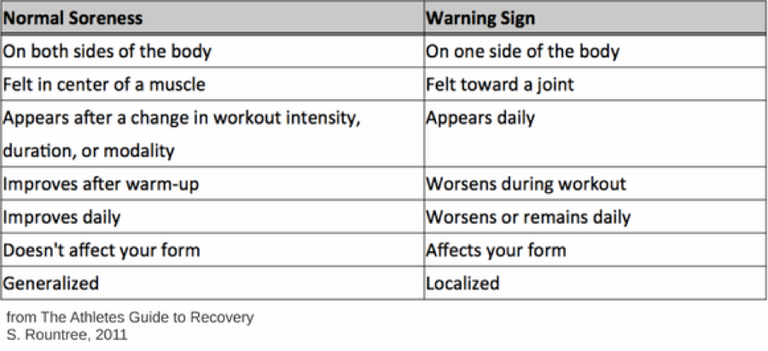
Muscles have been called upon that haven't been used in awhile, some mild fiber damage may have occurred. Is it a injury or just normal soreness after a hard paced workout? Shown here is a excellent guide found in "The Athletes Guide to Recovery by Sage Roundtree, 2011".
Warning Signs to Watch For
The key takeaways that indicate normal soreness are: Its on both sides of your body, shows up after a workout intensity change, gets better as you warmup and with each day and really important; you aren't favoring anything biomechanically. The flip side of warning signs, take a quick read and consider these.
Ready to train smarter and prevent injury? Running Niche offers personalized coaching using the Lydiard Method for runners of all levels. Stop by our store or join the Run Club to get started.
Why Recover?
Stress + Rest = Adaptation. Learn why recovery is the most overlooked part of Lydiard training and how it prevents injury while building your aerobic engine.
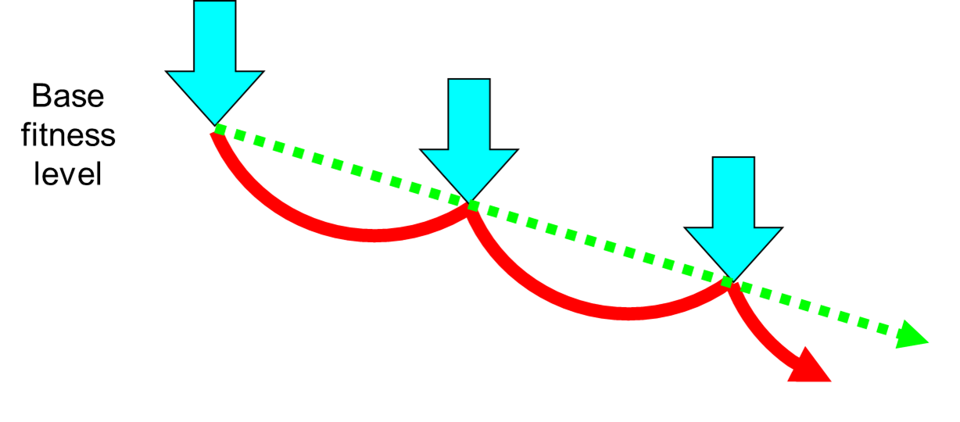
There is a very basic rule of training: Stress + Rest/Recovery = Adaptation. (From Healthy Intelligent Training by Keith Livingstone).
This is the guiding principle of the Lydiard Training Method. Stress without rest/recovery leads to illness, injury and ultimately impacting the runners goal performance.
How Recovery Builds Your Aerobic Engine
Here’s a good example. On Lydiard Saturday’s are normally a higher intensity workout such as a Out & Back or a Progress Calibration Run. These are also known sometimes as Sub-Threshold or Threshold run. Depending on where the runner is in their training cycle, the pace for these and duration may be approaching goal race pace. In other words, a hard intensity effort with sustained heart rates over 170. This is a difficult and challenging workout.
It’s critical an effort like this is followed by a long aerobic run within 24 hours. During this run you are burning fat, building capillaries and servicing recovery of your muscle fibers at a which is very low intensity.
Recovery vs. Overtraining
Take a look at these two charts below. The first shows that physiologically your fitness gain actually occurs during the SLOW RECOVERY RUN. The second shows what happens if a runner simply continues to stress their body without the proper aerobic runs to facilitate recovery. It’s a downward spiral to illness and injury and may cause you to take a break in your training.
Implementing Recovery in Your Training
Its important to be sensitive to other activities you are doing. Once your have done your hard Saturday Out & Back or PCR, you have torn down your muscle fibers. You have to allow repair time before doing something else hard, no matter what it is. Normally at least 48 hours is required. You are in a weakened state, injury happens easily.
Remember stress and then recover with a long slow aerobic run. Its science based.
Please stop in the store to learn more about the Lydiard Method. We are trained Lydiard coaches and can help you sign up. While your personalized plan costs $100, and goes to a non-profit, we provide the day to day coaching at no additional charge.
Want to build a recovery strategy that works? Running Niche coaches use the Lydiard Method to help runners balance training stress and recovery. Stop by the store or join our Run Club to connect with our coaching team.

Recovery Runs: The Most Important Run You're Probably Skipping
Recovery runs are the unsung hero of Lydiard training. Learn how easy-paced running between hard sessions promotes adaptation, prevents injury, and builds your aerobic base.
Why Recovery Runs Are the Foundation of Smart Training
Coach Lydiard used to say "you have to learn to run slow, to run fast." He was getting at the fundamental training concept: Stress + Rest/Recovery = Adaptation. Stress without rest and recovery leads to illness, injury, and compromised race day performance.
How Recovery Runs Fit Into the Lydiard Week
In Lydiard training, Saturdays are a higher intensity workout — an Out & Back or a Progress Calibration Run. Depending on where the runner is in their training cycle, the pace for these may be approaching goal race pace. That effort is followed the next day by a long aerobic recovery run. During this run you are burning fat, building capillaries, and servicing repair of your muscle fibers.
What Pace Should Recovery Runs Be?
For a 3:30 marathoner running 8:00 race pace, aerobic recovery run pace is 9:00-9:30. The cycle I ran 2:21 (5:22 pace), I generally hit my aerobic runs at 7:00-7:30 pace. And Kipchoge? Even the best in the world builds slow, easy aerobic recovery runs into their training — his recovery pace starts at up to 9:30 per mile for runs of 12 miles.
Want a personalized recovery strategy? Bob and Jennifer at Running Niche are both Lydiard Certified Coaches who build smart training plans that balance effort and recovery. Join our Run Club or stop by the store to learn more.

Nominate Running Niche for the 2026 Best Running Stores award
Nominations for the 2026 Best Running Stores award are open. As a five-time honoree, Running Niche is asking the St. Louis running community to submit a nomination and help us earn the recognition again.

Nominations for the 2026 Best Running Stores award are now open, and we're asking the St. Louis running community to help us earn this recognition again.
Running Niche has been named one of the Best Running Stores in America five times, in 2020, 2021, 2022, 2023, and most recently in 2025. Each year, this award reflects the relationships we've built with our customers, the care we put into every fitting, and the strength of the running community here in St. Louis. We don't take it for granted, and we'd love the chance to represent our community again in 2026.
A message from Jennifer and Bob:
If you have enjoyed your experiences with us at Running Niche, whether it be our shoe fitting expertise, knowledgeable and helpful staff, your participation in our weekly Running Niche Run Club social run/walks, or our one-on-one endurance training coaching and being a part of Team Running Niche, we would very much appreciate you sharing and nominating Running Niche for the 2026 Best Running Stores award.
Thank you,
Jennifer and Bob
About the Best Running Stores award
This program by The Running Event honors running specialty stores for their dedication to their communities, staff, and innovation. An extensive evaluation process, including a secret shopper visit to the top 100 stores, assesses factors like mentorship opportunities, sustainability efforts, inclusivity, and overall customer experience. The winning stores will be celebrated at The Running Event, December 1-3, 2026 in San Antonio, TX.
Ready to get fitted for the perfect running shoe? Visit Running Niche at 1601 Tower Grove Ave in St. Louis for expert shoe fitting from coaches who understand Lydiard training.
Update: thank you to everyone who nominated us. Running Niche was named a 2026 Best Running Stores in America winner. Read the full announcement.

Running Niche named one of the 2025 Best Running Stores in America
Running Niche earned 2025 Best Running Stores in America recognition from The Running Event, making it a five-time honoree in 2020, 2021, 2022, 2023, and 2025.

We are proud to announce that Running Niche has earned 2025 Best Running Stores in America recognition. This marks the fifth time Running Niche has earned this honor, following wins in 2020, 2021, 2022, and 2023.
This program honors running specialty stores for their dedication to their communities, staff, and innovation. Thank you to our Running Niche community for nominating us. Once nominated, we completed a thorough evaluation form that addressed topics like employee benefits, inclusivity, sustainability, community engagement, and innovative business practices. From there, we made the Top 100 stores, and then were secret shopped twice, focusing on customer interactions and in-store experience. Based on a combination of these scores, the Top 65 2025 Best Running Stores were selected.
Our entire team at Running Niche is motivated by this recognition, and we will continue doing what we do to get you into the right products for your walking or running, help with your training, and host our Wednesday evening Running Niche Run Club.
Visit us at our Botanical Heights location at 1601 Tower Grove Ave, or join us for a Wednesday evening run. We look forward to seeing you.
Update: Running Niche went on to win again in 2026, our sixth time earning this recognition. Read the 2026 announcement.
The Ultimate Guide to Finding the Perfect Running Shoes: Fit, Shape, and Sizing Tips for Every Runner
Learn how to find the perfect running shoes with expert tips on fit, shape, and sizing. Discover why proper shoe shape matters, how to avoid common issues like black toenails, and ensure comfort and performance with every run.
The following blog post was written by a good friend of the store, Coach Nobby Hashizume, of International Running Academy and Running Wizard.
As the spring comes around (for the people in the northern hemisphere at least!), many of you are starting a new training program with a newly set target race. And many of you go out and purchase a new set of footwear and outfit.
As for my wife, after a long Minnesota winter and running through snow and mud, she likes to set herself up with new equipment. Footwear!!! For runners, footwear is one of the hottest topics. I’ve noticed at my Lydiard Training & Academy Facebook page, whenever I post something about shoes, we seem to get more responses than other topics.
Most runners are an expert on his/her own shoes. After running hundreds and thousands of miles, we all have certain beliefs on how shoes should work. Unfortunately, in my opinion, most of it is based on so-called “conventional” beliefs that were established half a century ago.
For example, has anyone heard of: “You should have a thumb-width extra space at the tip of the shoes…”? If you’ve had shoes with a “flat nose” where the tip of the shoe collapses, you may realize you need some extra space at the end. But the “toe box” of your running shoes should be three-dimensional, and if the toe box is constructed correctly, you would not need that much extra space.
Of course, the SHAPE of the shoe has to match—or closely match—the shape of your foot.

The far right is my footprint. Note the 2 shoes on the left do not match the shape of my foot and I would most likely pronate. The 3rd shoe fits my foot perfectly.
If you trace your foot carefully, meaning you trace around the outside of your foot and then track underneath your arch and get the inner side of your foot in order to follow your foot where it touches the ground; you’d be surprised how curved your foot is.
Of course, some people, particularly if your foot is narrow, have much milder curve than others. But most of us, unless your arch is almost completely collapsed and flat-footed, have some degree of a curve.
The shape of the shoe has to have very close to the shape of your foot. In other words, if you have a distinct curve and try to put this curved foot into a very straight shoe, either the base of your big toe, the base of your pinky toe, or the inner side of your heel would stick out of your shoe’s midsole.
If this happens, you’ll over-pronate… unless the base of your pinky toe sticks out, in which case you will supinate. As Arthur Lydiard always said: “You don’t pronate or supinate. But your shoes pronate or supinate…”. In order to compensate for this, most of us would get oversized shoes. This is a vicious cycle.

If the shoe is too straight, the area marked with a star would stick out.
Many runners lose their toe nails and they like to talk about it as if it’s a feather in a hat. If the shoe fits correctly, there’s no need to suffer from black and/or lost toe nails.
In fact, strangely, one of the biggest reasons for black/lost toe nail is oversized shoes. When the shoe is too big, your foot slides back and forth inside the shoe. This means, each time your foot touches the ground, your big toe will be banged into the front edge of your shoe.
If the shape of the shoe fits the shape of the foot and you get the right shape shoe, you’ll have only very slight extra space and you should not even get black toe nail. For this, however, you’ll need:
The right shape of the shoe.
The right size of the shoe.
Proper toe box.
When these three criteria are met, you’ll have a shoe that is PROPERLY FITTED.
Another problem with over-sized shoes is that you’ll lose proper effectiveness of various features of the shoe. Most of today’s athletic shoes have functional features. Take Nike’s Next 2% for example. You have a carbon plate and X2 air sacks. They are supposed to be right underneath the balls of your foot. But if your shoe is over-sized, where the “curve” of the carbon plate and where those 2 air sacks are supposed to be will be more like where the toes flex.
You will also lose proper functions of your own foot as well. Years ago, the Japanese equivalent of BBC did a field study of shoe size. They divided the participants into two groups. One would wear “normal” over-sized shoes. The other group would wear slightly tighter shoes. They then had them climb Mt. Fuji. The group with slightly tighter shoes reached the top faster and, subjectively, with consummate ease.
They then took an X-ray image of their feet with the shoes on. What they found was that the arch of the participants with over-sized shoes collapsed. Because they had extra space for their feet to get stretched out, their feet lost the ability to work as a spring.

Note: If the shoe is oversized, the ball of your foot will not align with the top of the Air Sacks or the curve of the Carbon Plate.
When you get the shape of your own foot on a piece of paper, as I have suggested earlier, I like to cut a thick paper—like Manila folder paper—and cut it out to bring it to the store. Place this paper—the shape of your own foot—on the bottom of the shoe and see if it fits well within the shape of the shoe.
Another trick, suggested by Bob Dyer, the co-owner of St. Louis’ leading running specialty store, Running Niche, is to simply remove the insoles from the shoes you are considering purchasing and stand on them. If any part of your foot sticks out or there is too much dead space at the end of the toes, it’s not a good sign, and your foot will most likely either over-pronate or supinate.
You should only have minimal extra space at the end of the toes—about 5mm or ¼ inch. A good rule of thumb is to measure your own foot in centimeters. Most of us have one foot slightly bigger than the other, so be sure to fit for the bigger foot. Once you know your foot size in centimeters, flip the tongue of your shoe and see what size (in cm) the shoe is.
American shoe sizing does not mean anything. My shoe size of 9.5, for example, does not represent inches or centimeters—it’s just a vague shoe size. Centimeters are a universal measurement. For reference, American shoe size 9.5 equals 27.5cm. My left foot is 26.8cm, and my right foot is 26.5cm.
Try the nearest rounded-up shoe size first. In my case, that would be 27.0cm, which corresponds to a US size 9.0. Try that size first—you’ll likely find it a bit tight, which is good. Then, size up by 0.5, to 9.5. You’ll be surprised at how comfortable they feel.
With this approach—considering both foot shape and sizing—you’ll get at least two out of three key criteria right! Hopefully, you’ll also have a properly constructed toe box to meet all three criteria.
Ready to find your perfect fit? Visit Running Niche in St. Louis for a professional shoe fitting with experts who understand your running mechanics and training needs.

Until you get the hang of it, finding your own Cinderella shoe can be a bit tricky. This day and age, when you can order pretty much anything online, it is advisable and recommended to go to a local running store where competent and knowledgeable persons are working.
Finding the right shoe for yourself is very much a three-dimensional task. On top of the three points I mentioned earlier, your structure and movement also play a role. Unless you have a good grasp of all those things—and remember, many “conventional ideas,” such as over-pronation, are actually false.
Hopefully, the local store managers are up to date with these topics but, even if not, two brains are usually better than one! You may save a couple of dollars by purchasing shoes online, but you are paying extra for the knowledge and experience of people working at the store.
Trust me; it is well worth it!
Integrating Races in the Last Four Weeks of Training
Many of our Lydiard Method training runners are now in Phase Four which is called “Integration”. This phase is the bridge to peaking in goal race. Workouts within this phase are designed to simulate race conditions. Most of the hard work is done, and it’s time to start reaping the rewards, while keeping your target race top of mind. We had several runners jump into races last Sunday at the Creve Coeur Half Marathon. More on that in a few minutes.
Progress Calibration Runs (PCR) are used to practice pacing skills, simulate race conditions, get used to racing flats and try different fueling strategies. PCR’s are controlled steady state runs done at faster paces and designed to push the second half of the distance. The runner generally finds they are performing these faster than expected as their fitness level is more tuned now as they head into the tapering phase. These are strong but not full out or even 90% efforts. PCR’s can be done in a race if the runner is disciplined and doesn’t get tempted to “race”. They should also always feel that when finished they could have continued on. These are best done by actually entering races to fully experience the entire process from pre-race through to cool-down. Be sure your warmup and cooldown appropriately and under no circumstances should one sprint at the end as this increases the likelihood of injury. Save it for the real target race! Also, one important hint, do not start out too hard, work your way into it. And keep at 90% or below effort.
Many of our Lydiard Method training runners are now in Phase Four which is called “Integration”. This phase is the bridge to peaking in goal race. Workouts within this phase are designed to simulate race conditions. Most of the hard work is done, and it’s time to start reaping the rewards, while keeping your target race top of mind. We had several runners jump into races last Sunday at the Creve Coeur Half Marathon. More on that in a few minutes.
Progress Calibration Runs (PCR) are used to practice pacing skills, simulate race conditions, get used to racing flats and try different fueling strategies. PCR’s are controlled steady state runs done at faster paces and designed to push the second half of the distance. The runner generally finds they are performing these faster than expected as their fitness level is more tuned now as they head into the tapering phase. These are strong but not full out or even 90% efforts. PCR’s can be done in a race if the runner is disciplined and doesn’t get tempted to “race”. They should also always feel that when finished they could have continued on. These are best done by actually entering races to fully experience the entire process from pre-race through to cool-down. Be sure your warmup and cooldown appropriately and under no circumstances should one sprint at the end as this increases the likelihood of injury. Save it for the real target race! Also, one important hint, do not start out too hard, work your way into it. And keep at 90% or below effort.
This past weekend we had two runners enter the Creve Coeur Half. All ran well, and their effort was well within their target pace range. They, as our other Lydiard runners, ran this on top of a couple harder workouts on Tuesday and Thursday prior at they are still in integration phase and not tapering yet. Shown in the pic here, Bree, Emma, Heather and Marie all achieved their target paces, Brennan actually won the 7k, while Caleb and Tracy also hit their pace plan. All these runners approached this as a workout and is part of their Lydiard training plan.
Now, the timing is right to jump in a couple races as a part of your training. Do not “race” them and be sure you understand what is important to get out of the workout.
If you would like to learn more about the Lydiard® Method, please visit our store, Running Niche, and talk with Bob Dyer or Jennifer Henderson, who are both Lydiard® Certified Coaches.
When Should I Start Interval Training?
Intervals are an important part of endurance training but must be done in sequence and the body must be well prepared.
Once the runner has built a solid aerobic engine through weeks of base building and built power and strength in their legs via hill strengthening, they are ready to take on anaerobic training commonly done through interval sessions. And don’t mistake these sessions for “speedwork” they are and have an entirely different purpose. Speedwork comes during the last few weeks as one gets close to goal race and is used for sharpening.
Intervals are an important part of endurance training but must be done in sequence and the body must be well prepared.
Once the runner has built a solid aerobic engine through weeks of base building and built power and strength in their legs via hill strengthening, they are ready to take on anaerobic training commonly done through interval sessions. And don’t mistake these sessions for “speedwork” they are and have an entirely different purpose. Speedwork comes during the last few weeks as one gets close to goal race and is used for sharpening.
Lydiard Training Pyramid
Interval Training Timing: When to Incorporate It Into Your Running Routine
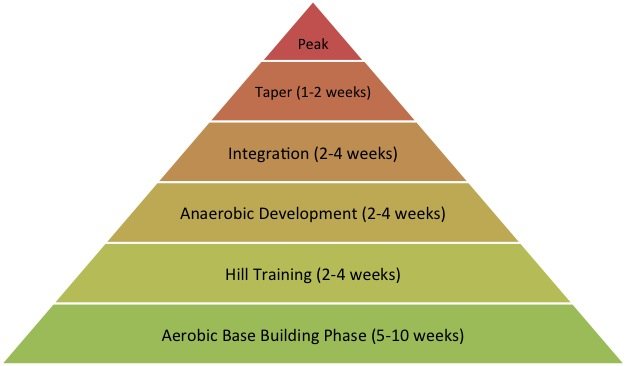
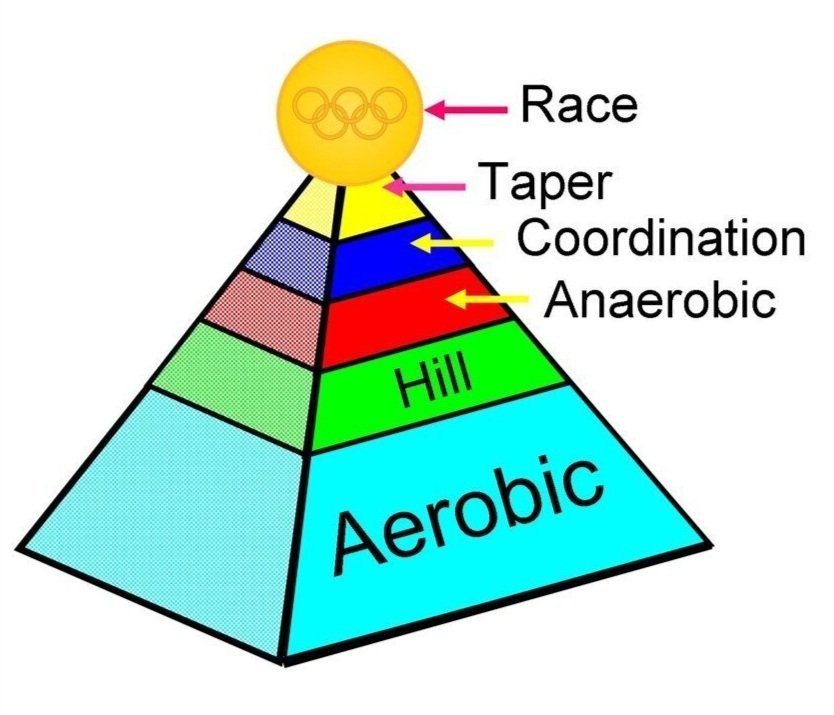
In Lydiard training, aerobic base building takes 8-10 weeks and hill strengthening 4 weeks. Check out the Lydiard training pyramid shown here. Phase 3 in turn is 4 weeks of anaerobic development. If runners attempt this to soon, they have high risk of injury as their body simply is not prepared to handle the increased intensity. Additionally, there is no need to do anaerobic work early on in a training plan and anaerobic training can only be sustained for 4-5 weeks before the body breaks down. So, it has to be thoughtfully timed in order to get the key benefits from the work.
If you are undertaking interval training, you should ask your coach, “what is it doing for me and why now?”
As Lydiard used to say: “If your coach can’t tell you why you are doing your workout, then you should get yourself another coach”.
Lydiard said that intervals are “tiring, exacting work”. These workouts are designed to be uncomfortable at paces well above anaerobic threshold with enough recovery between to get through the workout holding good form. In doing this the body gets exposed to acidosis which you will encounter at the later stages of your race. The end goal is to increase the body’s ability to buffer acids so high rates can be maintained for a long period of time.
Interval training and speedwork are two entirely different things. Keeping in mind that long distance running is mostly aerobic, therefore the ability to sustain pace above anaerobic threshold is important. Speed is much less important and requires short bursts and power building not needed in endurance running.
Generally speaking, an interval workout can be structured by repeats of 400m, 800m, 1200m and 1600m. Usually 5000m to 7000m in total with each interval being the time it takes for heartrate to come down to 130 bpm. On Lydiard the athlete is given a pace chart which indicates effort pace for ¼, ½ and ¾ effort. The first couple sessions are done at ¼ effort with subsequent ones being taken up to ½ or ¾ effort depending on how the runner is responding.
The distances can be varied depending on feel and mixing it up to keep it interesting. Depending on how many days a week the runner’s plan is interval sessions can be one or two per week.
Here at Running Niche, we are trained Lydiard certified coaches. Please stop in the store to learn more about the Lydiard Method.
Ready to know exactly when and how to add intervals to your plan? Running Niche coaches use the Lydiard Method to time your anaerobic development phase for peak results. Stop by the store to talk with our coaching team.
What do Mitochondria do in Muscle Tissue?
Why is aerobic base building so critical to marathon performance? Bob Dyer explains the science behind mitochondria — the cellular engines that slow, easy running builds — and why they're the foundation of every successful training plan.
Why is building a solid aerobic base so critical? The foundation for a successful performance in your goal race starts many weeks before during the aerobic base building phase. This segment of training builds your "aerobic engine" which in turn allows you to handle your harder workouts as you progress through your training plan and building fitness.
Why Aerobic Base Building Matters
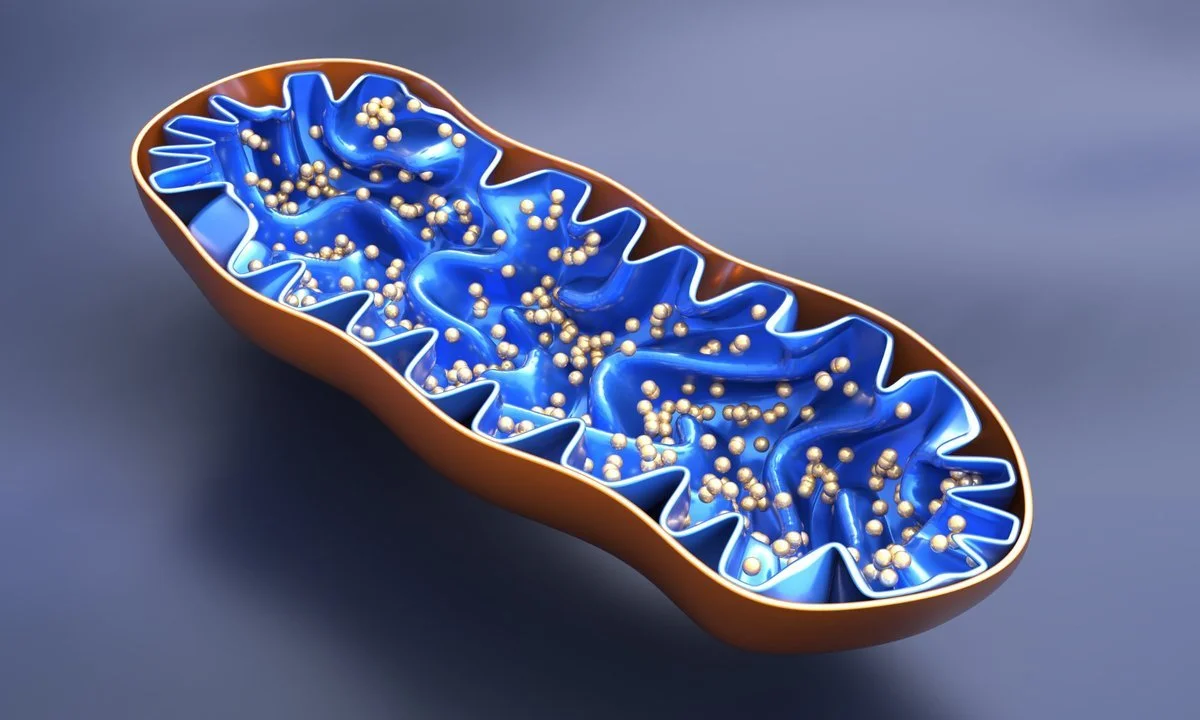
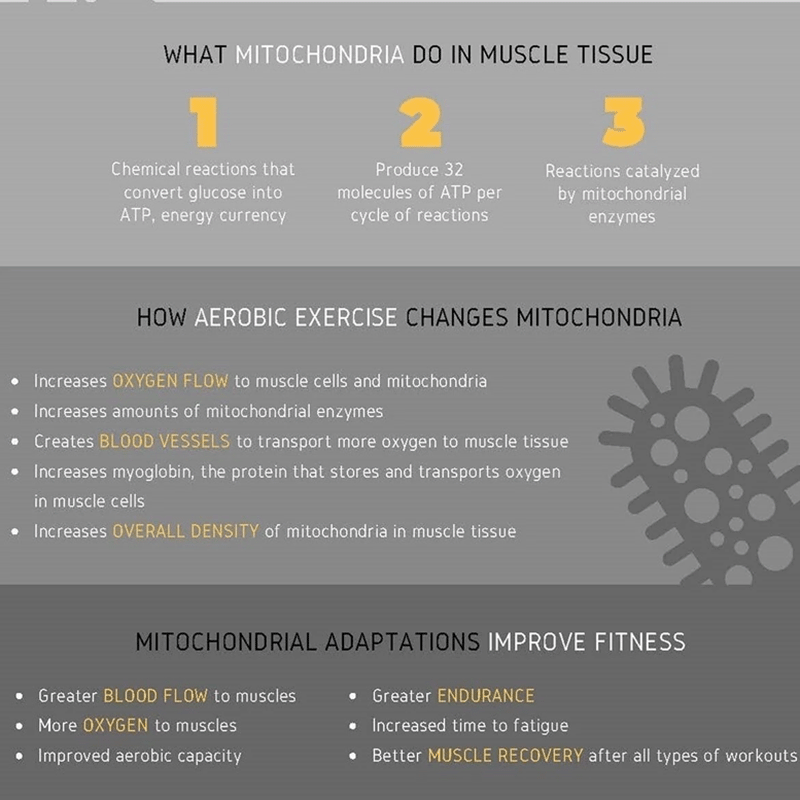
Remember there is "running" and then there is "training". There is a huge difference. Training is based upon science and building certain physiological systems you will need at full capacity to do your best in your goal race. I came across this chart recently which does a great job of simplifying why slower aerobic running is critical in building a good aerobic base.
Understanding Mitochondria’s Role in Muscle Tissue
It comes down to that little engine at the cellular level called Mitochondria. You want as many of these guys as possible. Slow aerobic running during base building has been shown in some studies to actually double the amount of Mitochondria! So as you are out there putting in your time on your feet and your friends are asking why you are running so slowly, here is your answer.
Building Mitochondrial Density the Lydiard Way
Within Lydiard Training, Aerobic base building is 10 weeks of a 24 week program. It truly is the foundation upon which the next four phases in sequence are built: Hill Strengthening, Anaerobic Development, Integration/Coordination and Tapering.
Shoe Rotation is an Important Part of Good Training
During our daily running shoe fittings, we often get the question; “Is it better to rotate shoes, or have more than one pair of running shoes?” The answer is yes particularly for 4+ days a week runner. Following are some thoughts from Jen and Bob at Running Niche about the benefits and how to approach selecting a rotation.
During our daily running shoe fittings, we often get the question; “Is it better to rotate shoes, or have more than one pair of running shoes?”
The answer is yes particularly for 4+ days a week runner. Following are some thoughts from Jen and Bob at Running Niche about the benefits and how to approach selecting a rotation.
What’s The Benefit?
Wearing the same shoe for all your running can lead to overuse injuries. The same shoe creates the same strike and muscle fiber patterns over and over, step after step. This leads to fatigue and ultimately fiber breakdown. By rotating different shoes, the strike patterns change in a mild way and in turn fire muscles and tendons differently, reducing overuse and possible injury.
How To Approach a Rotation?
There are several pieces to this as there are different types of training needs. We think about it in this way:
Long Run: These are for those long aerobic runs.
Daily Trainers: These are for those aerobic runs and recovery days.
Harder Effort: For those workouts of a higher intensity such as a Tempo run.
Racing: Obviously for race day or select very high intensity workouts.
Need help building your shoe rotation? Visit Running Niche in St. Louis for a professional shoe fitting and personalized rotation recommendations based on your training plan.
| Type | Long Run | Daily Trainer | Tempo | Racing |
|---|---|---|---|---|
| Beginning |
High or Medium Cushion | Medium Cushion | Lightweight | Lightweight |
| Experienced | High or Medium Cushion | Medium Cushion | Lightweight | Lightweight/Nylon Plate |
| Elite | High Cushion | Medium Cushion | Lightweight Nylon/Plate | Posible Carbon Plate |
Let’s take long run and daily trainers first. Once you know if your foot plant is neutral or requires some level of stability it is a matter of trying several different models from within a brand or across brands. Out of these brands one may be better for you based on your foot shape, arch type, and strike. As an example: Brooks Ghost 15 is a workhorse neutral daily trainer. Its higher cushion counterpart is the Glycerin, which contains an entirely different foam. These two would make a fine rotation as they fit somewhat alike but due to different foams cause a slightly different foot strike. Another option would be a Ghost along with a New Balance 880. Again, two totally different foams with mild fit differences. Another way to go within Asics is the Cumulus along with the Nimbus, medium cushioning vs. max cushioning. Similar fits but different foams. One is firmer and the other softer. These are just examples to show how to mix it up and drive different muscle fiber firing.
For harder effort workouts such as a tempo run, its important to move a bit lighter but ensure proper cushion and responsiveness. Good examples of this type of shoe are the Saucony Endorphin Speed which contains a PEBAX foam along with a flexible nylon. plate. Other good options are Brooks Hyperion Max, New Balance FuelCell Rebel or Hoka Mach. Each of these fits differently and have unique foams, but the commonality is that they are all quite light.
Racing shoes are just that, they should be reserved for those special days or key workouts. These are not daily training shoes. Entering consideration as well is carbon plate tech. There are wonderful racing shoes available these days and in many cases the tempo shoes we described above will be the best racing shoe for most runners. For some runners carbon tech can provide benefit, but consideration must be given to the speed the athlete races at and their biomechanics. In general, if one can run a marathon at sub 3:30 and has efficient biomechanics more than likely there can be a performance benefit. While still relatively new, research is starting to come out about the effect carbon shoes are having on certain runner populations. The stiff plate changes biomechanics, sometimes for the worse, causing metatarsal and navicular stress fractures. This is due to the impact stress being focused on these two areas with carbon plates. Second the high stack height and the soft responsive PEBAX foams can be too unstable for some leading to over pronation and too much stress on the knee joints. And, as I saw as Saturdays Frostbite races, severe over pronation. Painful to watch. Second, for some paces at 3:30 marathon plus, some studies are now indicating negligible or negative performance improvement. This can be attributed to the high stack heights and soft foams’ impact on biomechanics.
In short carbon racing shoes are special and for racing, don’t fall into the trap of wearing them as daily trainers. It can lead to injury, just as wearing the same training shoe for all your runs can. Just as with your training, carefully consider the proper shoe rotation to best fit your needs given your training level. And get properly fitted by a specialist.
Pulling the Plant Up by the Roots
“There is an impressive workout, then there is the RIGHT workout”, "It’s always better to under-do training than over-doing it”. -Master Coach Arthur Lydiard
Many are headed rapidly towards their date with a goal race, Spring is rapidly approaching.
If you have followed your training plan well, its about this time, that you’re starting to feel pretty good. Those long aerobic runs are easier, your Out & Backs or Progress Calibration Runs are going quicker with the same effort, while your intensity is going up your mileage is going down. All positive signs your fitness level is “coming round”.
“There is an impressive workout, then there is the RIGHT workout”, "It’s always better to under-do training than over-doing it”. -Master Coach Arthur Lydiard
Many are headed rapidly towards their date with a goal race, Spring is rapidly approaching.
Maximizing Training Benefits: Avoiding Common Mistakes
If you have followed your training plan well, its about this time, that you’re starting to feel pretty good. Those long aerobic runs are easier, your Out & Backs or Progress Calibration Runs are going quicker with the same effort, while your intensity is going up your mileage is going down. All positive signs your fitness level is “coming round”.
What 'Pulling the Plant Up by Its Roots' Means
About this time, it’s quite natural to want to “test yourself”. Coach Lydiard used to call it “pulling the plant up by the roots”. You want to see what’s there, how things are coming along. But beware, this is one of the worst things you can do at this point in time. As with plants, once you pull up the roots, it may or may not do well once you replant it.
The Risk of Overtraining Near Race Day
What happens is this: You’re feeling too good on a harder, tempo type workout and all of a sudden, your pushing the pace. Too fast. In some cases, well in excess of goal race pace. Just because you can, doesn’t mean you should. Physiologically, even though you felt good, you are breaking yourself down, not building up and adding fitness. Its almost like you’re running your race in training. This isn’t training, this is simply running. Training is thoughtful, purposeful and controlled.
Trust the Taper Process
This is not the “right” workout and “it’s always better to under do it than overdo it”. Trust in your plan. See it through. You won’t know your real potential on race day unless you allow the plan to play out. On Lydiard training there are times where controlled racing situations are recommended. Usually this comes about four weeks out from race day and specific parameters are laid out to stay within, based upon how the prior three weeks workouts have gone. From these we then analyze the run and use this information to drive race strategy.
Remember, trust in your plan. By pulling up the roots, you may kill the plant.
If you would like to learn more about the Lydiard® Method, please visit our store, Running Niche, and talk with Bob Dyer or Jennifer Henderson, who are both Lydiard® Certified Coaches.
Muscle Fiber Damage in Runners
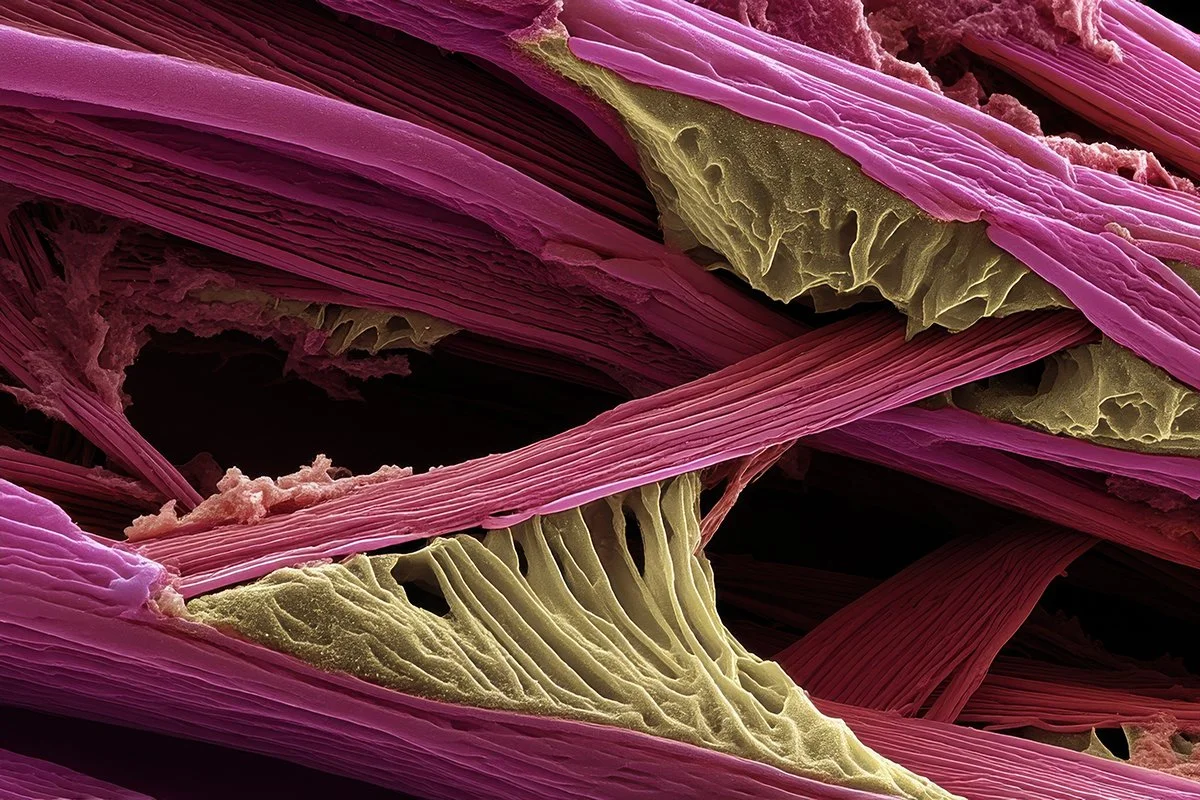
What does hard training actually do to your muscle fibers? Bob Dyer shares scanning electron microscope images showing exactly how exercise damages muscle tissue — and why that damage is the key to getting stronger.
In my previous blog about the Reasons to Stop Doing the 20 Mile Run, I noted that one of the dangers of being out on your feet for longer than 2:30 to 3:00 hours is muscle damage at the fiber level. Under a scanning electron microscope, healthy muscle fibers show tight, aligned bands. After a lengthy bout of exercise those bands become disrupted and crooked. After 14 days of recovery the fibers are still dis-jointed and not returned to their non-injured state — this is called Delayed Onset Muscle Soreness or DOMS.
How to Accelerate Muscle Fiber Repair
After 14 days of recovery the fibers are still dis-jointed and not returned to their non-injured state — this is called Delayed Onset Muscle Soreness or DOMS. There is a very fine line between productive training stress and excessive damage: your aerobic run should be just long enough to stimulate adaptation, but not so long that recovery becomes prolonged.
When Damage Becomes Injury
There is a fine line between fitness gain and injury — be sensitive to it as you embark on your weekend training runs. Remember Dr. Jack: he advocates no longer than 2:30 to 3:00 on your feet in one bout of running. Consider this: Grete Waitz never ran more than 12 miles in training for the 1979 NYC Marathon — and she won. She trained 80-90 miles a week, but the key was how she put it all together. That's the difference between running and training.
If you'd like to learn more about structuring your training to minimize muscle damage and maximize recovery, stop in and talk with Bob Dyer or Jennifer Henderson at Running Niche — both are Lydiard® Certified Coaches.
Why You Should Rethink the 20 Mile Long Run: Marathon Training Tips
Is the 20-mile long run the best approach to marathon training? Learn why it might not be ideal and explore expert-backed tips for safer, more effective endurance-building methods.
Why the 20-Mile Run is a Controversial Training Method
As we head into early March, I'll see the "holy grail 20-mile run" pop up on training groups’ social media over the next couple weeks in prep for target races late March and early April. Here are some thoughts on whether or not to do the infamous “20 Miler” as you are considering including such a run(s) in your training.
Understanding the Limits of Long-Distance Runs
So, who should be doing 20 milers and when? The litmus test is; can you complete it in less than 2 hour 30 minutes or 9:00 per mile. If yes you are good to go. And doing a 20 miler at least 4 weeks out from goal race is workable. Anything closer jeopardizes fitness, may cause breakdown, sickness or even injury. The longest you should go is 2:45 as beyond that the muscle fibers in your legs incur damage, which then takes days or even several weeks to repair. The slower the runner the more time it will take, the more pounding on the legs creating more physical stress which is impossible to recover from only 4 weeks out from goal race.
Insights from Experienced Marathon Coaches
Dr. Jack Daniels is a world renown exercise physiologist and a coach of Olympic athletes. He received his doctoral degree in exercise physiology from the University of Wisconsin. Named "The World's Best Coach" by Runner's World magazine. Daniels outlined his training philosophies in the 1998 book, Daniels' Running Formula. He mentors and coaches some of America's top distance runners in the country.
Dr. Jack recommends long runs be capped at 2:30 to 3:00 hours max. He says running longer than that offers high risk of injury and burnout. Click here to watch his famous explanation of this on YouTube or watch in the video in this blog post.
Strategies for Building Endurance Without Overtraining
So how should slower runners handle this? The day before their 2.5 hour run, they should be doing something of up-tempo pace, quicker pace of about an hour or so. Then within a 24-hour period they have covered 3:30, more than 15 miles most likely, haven’t damaged their legs and can properly recover. If you have a coach telling you to go out there and run the “20” and you can’t get it done in less than 2:30 ask them why, what is the benefit and how are you going to recover from this without injury. Ask about the science behind their pushing you to do this. We can tell you it’s not there. One last thought is that many times we hear the idea that the runner needs the mental confidence they can run 20 miles. That confidence comes at a steep price, of getting injured, sick or missing workouts and in the end actually jeopardizes the runner’s ability to achieve their goal in the marathon, whatever it may be.
What should you do instead to address the need for longer runs? We have our Lydiard trained runners the day before do an easy run of 8 miles and the next day do your long aerobic run of 10-12 miles. Sometimes depending upon where they are in the cycle the day prior will be of a higher intensity. Within 24 hours you will get in your time, gain the training effect and won’t get hurt or sick. Remember your aerobic benefit occurs between 1 hour 30 mins and 2 hours 30 minutes. That’s the science.
Main Takeaways on the 20 Mile Run
Research has shown that 2:00 - 3:00 hours on your feet, regardless of pace, is optimal for aerobic development. The major physiological benefit occurs between 1:30 and 2:30. Beyond that damaging muscle fiber breakdown happens that can take weeks to recover from.
Recovery from this damage takes minimally 14 days and, in some cases, longer.
The immune system is severely compromised, which increases the risk of contracting colds and the flu and is one of the major causes of overtraining.
If one's long run training pace is 7:00 per mile, it takes the runner about 2:20 to complete a 20 miler. If one has a 9:00 pace it takes about 3:00 is to finish a 20-mile workout. If your comfortable aerobic pace is 9:00+ you should not be undertaking the "20 miler", let alone doing multiple ones leading up to your target race. If your coach is recommending you include 20 milers in your plan over the next couple weeks, and your aerobic training pace is 9:00+, ask the question ‘why do this, what is the benefit, and what are my risks?'
It is the time on your feet that is critical, not the actual distance. If you are out over 3:00 you dramatically increase your probability of injury/illness which in turn may impede your end goal of finishing your marathon.
The physical damage from doing the 20 Miler far outweighs any perceived mental benefit to doing a 20 miler(s) leading up to their marathon. Completing a marathon is a physical endeavor, 99% aerobic. In those last few miles the "mental benefit" of having completed 20 mile runs in training won't help the runner overcome the physical damage incurred.
Arriving at the start line healthy and injury free after having completed a thoughtful training plan, based in science, where each workout serves a purpose and builds on one another is a better way to go.
If you would like to learn more about the Lydiard® Method, please visit our store, Running Niche, and talk with Bob Dyer or Jennifer Henderson, who are both Lydiard® Certified Coaches.
For more information on the topic, check out the video below on Running Niche’s YouTube channel of Bob discussing these same ideas.
Want a smarter race strategy? Running Niche coaches use the Lydiard Method to build marathon readiness without relying on the traditional 20-miler. Stop by the store to discuss your training plan.
Managing Training with Cancelled Goal Race
Sometimes your goal race gets cancelled, and you are faced with tough training plan decisions. Finish it out? Cut bait now and refocus on Fall goal race? Here are my thoughts on this through the lens of the Lydiard Training Method.
Sometimes your goal race gets cancelled, and you are faced with tough training plan decisions. Finish it out? Cut bait now and refocus on Fall goal race? Here are my thoughts on this through the lens of the Lydiard Training Method.
Adjusting Your Training Plan by Timeline
Scenario 1: You are in the last 2-3 weeks before goal race. In this situation its best to finish it out and run a simulated race on goal race day. The thinking here is that you’ve done 90% of the plan and are in great shape. Why not see how good? So on “race day” here’s what I’d recommend: If your race was a full marathon, run a hard 10 miles, half marathon or even 15 miles at race pace. Push it and see what you can do. Prep for it the day before just like it was a real race. You then can use this time to help drive your Fall training plan and there will be important learnings coming out of it to evaluate. If you goal race was a half marathon then either do a 10k, 10 mile or a half. If it was a 10k, then either do a 10k or 5k.
Scenario 2: You are in the last 6 weeks before goal race. This one is more complex. You have a choice to make. One is complete the plan which takes you to early May, run your simulated goal race, recover, then start your Fall cycle. The other choice is to shorten your current cycle, go immediately into one week of integration, then one taper week. Then run a simulated goal race. This would take you to mid-April, then take two weeks of recovery before you start your Fall cycle. The same simulated race guidelines as noted above apply here too.
Scenario 3: You are 6+ weeks out and you feel your goal race has a good shot at not being cancelled. These would be races in late May and into June. My advice here is to continue your plan as scheduled for the time being. You are continuing to build fitness. Best case is your race happens; worst case is you need to shut it down early. In that situation follow the advice noted above in shortening your cycle.
Moving Forward After a Cancelled Race
If you would like to learn more about the Lydiard® Method, please email info@runningniche.com or visit our store, Running Niche, and talk with Bob Dyer or Jennifer Henderson, who are both Lydiard® Certified Coaches.
Not sure what to do next? The Running Wizard is a free tool that builds a personalized Lydiard training plan based on your goals and current fitness. Stop by Running Niche to discuss your options with our coaching team.

What Makes a Great Running Coach?
What separates a great running coach from a good one? Bob Dyer breaks down the 8 qualities that define an effective coach — from Lydiard-certified expertise to the intuition to know when an athlete needs a rest day.
Finding the right running coach can make the difference between spinning your wheels and achieving a real breakthrough. But what qualities define a great coach? Here are the key characteristics that set an effective running coach apart.
What to Look for in a Running Coach
1. In-Depth Knowledge — A great coach possesses a deep understanding of training principles and the underlying physiology. They can explain the purpose and benefit of every workout, so you're never just going through the motions.
2. Open to Dialogue — A good coach welcomes questions about training methods. Constructive dialogue leads to better understanding and better performance.
3. Values Commitment — Time and dedication are everything in distance running. A great coach emphasizes this from day one and holds athletes accountable throughout the journey.
4. Asks and Listens — By actively asking questions, a coach understands what's happening in the athlete's life and adjusts the training plan accordingly. Life happens — a good coach adapts.
5. Intuitive Adjustment — An effective coach knows when to modify a workout or call a rest day. Emotional fatigue and minor discomforts escalate if ignored. The best coaches catch this early.
6. Motivates with Honesty — Great coaches motivate without inflating expectations. They give straightforward evaluations of progress and fitness — even when the truth is hard to hear.
7. Real-World Experience — Having experienced training, racing, successes, and failures themselves, a competent coach draws from personal experience to guide athletes through the same challenges.
8. Accreditation and Expertise — Proper accreditation matters. It demonstrates a clear coaching philosophy and a thorough understanding of training methodology.

Pictured above: coaches Bill Bowerman, Nobby Hashizume, and Arthur Lydiard. Nobby is one of the world's foremost authorities on the Lydiard Method and has been an invaluable resource to Bob and Jennifer at Running Niche, helping interpret Lydiard principles and sharpen our coaching approach.
Ready to work with a coach who embodies these qualities? Bob and Jennifer are both Lydiard Certified Coaches offering personalized training plans for runners of all levels. Stop by the store or join Team Running Niche to get started.
How to Run Slow to Run Fast: The Science Behind Lydiard Aerobic Training
Why do elite runners train so slowly? Coach Nobby Hashizume — one of the world's foremost Lydiard authorities — shares why runners like Toshi Takaoka run 90% of their miles at easy pace.
One of the most common questions we hear at Running Niche is "why am I running so slowly?" Coach Nobby Hashizume — one of the world's foremost authorities on the Lydiard Method — answers that question better than anyone.
Why Elite Runners Train Slow
"First of all, the largest portion of the Lydiard training plan are Aerobic Long Runs. One of the most frequently asked questions is; why so slow? I cannot stress enough the fact — my good friend Toshi Takaoka ran a 2:06:16 marathon, yet he ran 90% of his training at 8-minute-mile pace.
Kenyan legend Henry Rono set 4 world records within 81 days in 1978. His training was divided into three categories: Snail pace, Ostrich pace, and Deer pace — four days a week at Snail pace, around 8-9 minute miles. He learned this from 4x Olympic champion Lasse Viren, who ran 70-90% of his miles at under 140bpm heart rate.
There's no such thing as running too slow. It is always better to go a little too slowly than too fast — you have to learn how to run slow in order to run fast." — Nobby Hashizume
Build Your Aerobic Base the Lydiard Way
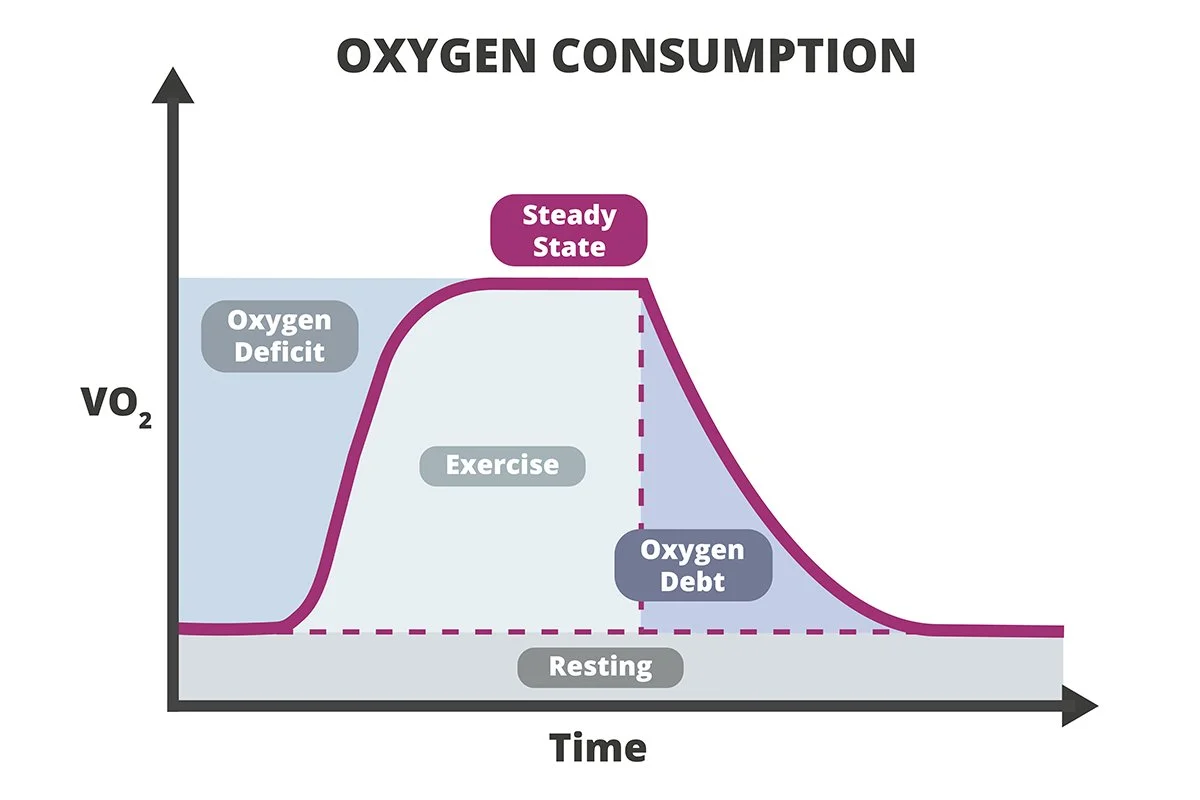
The oxygen consumption diagram above explains why: easy aerobic running keeps your body in steady-state oxygen consumption, building mitochondrial density and aerobic capacity without accumulating oxygen debt. This is the foundation of the Lydiard Method.
Ready to build your aerobic base the right way? Bob and Jennifer at Running Niche are both Lydiard Certified Coaches who develop personalized training plans built on smart, easy running. Stop by the store or join our Run Club to get started.
Lydiard Peaking
Peaking is about being ready on your goal race day. Ready in every sense from physical to mental and all the other variables which go into preparation. It’s a long road to get to this point: Aerobic Base Building, Hill Strength Training, Anaerobic Development, Integration, Taper then Peak.
The Lydiard Pyramid, shown here, is designed to train the specific systems, in sequence, to lead you to a peak performance on race day. Do the work and you stand a good chance of attaining your goal!
Peaking is about being ready on your goal race day. Ready in every sense from physical to mental and all the other variables which go into preparation. It’s a long road to get to this point: Aerobic Base Building, Hill Strength Training, Anaerobic Development, Integration, Taper then Peak.
The Lydiard Pyramid, shown here, is designed to train the specific systems, in sequence, to lead you to a peak performance on race day. Do the work and you stand a good chance of attaining your goal!
Signing up for a Lydiard plan is done via The Running Wizard. You will be asked a series of questions to drive the plan specific to you and your current fitness level.
Here is the link to The Running Wizard: www.runningwizard.net
If you would like to learn more about the Lydiard® Method, please stop by the store and talk with Bob Dyer or Jennifer Henderson, who are both Lydiard® Certified Coaches.
Want to peak at the right time for your goal race? Our Lydiard Method coaching builds every phase—from base to taper—around your race day. Join our Run Club to train with runners who share that focus.

Marathon Fueling Strategy: What Gels to Use and When
In the Lydiard Method, runners don't use gels during training — until the final 4-5 weeks before race day. Here's why, and how to choose the right gel when it's time.

Race Day Fueling Strategy
In the Lydiard Method, runners don't use gels during training runs — except in the final 4-5 weeks before their goal race. During base building, the goal is training your body to burn fat efficiently, its most productive and sustainable energy source. Introducing gels short-circuits that adaptation by supplying quick carbohydrates instead.
When it is time to practice fueling, we recommend testing several options during moderate-length training runs to identify any digestive distress and gauge how each gel affects your energy levels. Never try something new on race day.
Choosing the Right Gel
The chart below compares four gel brands. Maurten has the highest carb count and is all-natural — its calcium content allows it to pass directly through the stomach to the intestine, where it's broken down and absorbed quickly. Huma is also all-natural and fruit-based. GU and Maurten absorb differently, so the right choice depends on your digestive system and projected race time.
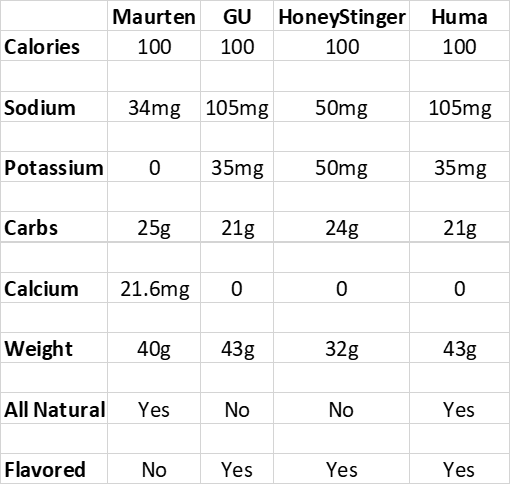
Everyone responds differently to gels, so test each well before race day. We carry multiple flavors in most brands — Maurten is the exception, available only in a neutral, unflavored form.
Not sure which gel is right for you? Stop in and talk with our coaches — we'll recommend a fueling strategy based on your target race time and the brands that work best for your system. Shop our full selection of running gels.
Progress Calibration Runs: How to Train at Race Pace the Lydiard Way
What exactly is a Progress Calibration Run — and how does it differ from a tempo run or race effort? Bob Dyer breaks down the Lydiard PCR: the once-per-week workout that builds race pace fitness through heart rate-controlled progressive running.
What Is a Progress Calibration Run?
Different training systems have different names for essentially the same type of workout. In Lydiard training, once the aerobic base is built and the runner is well into hill or interval training phases, there is a once-per-week Progress Calibration Run. Under Tinman training it's called a "critical velocity run" — under Canova a "fast continuous or fast progressive run."
How PCRs Work
These workouts come at specific times during the training cycle as the runner progresses through their plan. A Lydiard PCR is based on heart rate and pace. HR can go as high on average as 175. Pace builds to faster than race pace for a specific duration. The physiological benefit is getting the body used to faster, steady-state, just below lactate threshold running.
The mental benefit is equally important — the runner learns what fast pace feels like, and as they progress through the cycle they learn they can maintain that faster pace with the same effort. Done properly, augmented by recovery runs and the other Lydiard workouts during the week, the runner can run faster pace at the same heart rate week over week.
PCR in Practice
During a PCR there is a defined duration and heart rate range to monitor. The goal: run each mile progressively faster by a few seconds and still feel like you could have gone further. Here's Lori G's PCR from Saturday — a textbook example. She averaged 9:42, HR well within range, each mile progressively faster. In about four weeks she'll be running these at her 9:00 min per mile marathon race pace for longer durations at the same heart rate. There are no shortcuts — do the work, you earn the benefit come race day.
Want help interpreting your calibration runs and adjusting your training? Stop in and talk with Bob Dyer or Jennifer Henderson at Running Niche — both are Lydiard® Certified Coaches. Browse our GPS watches to track your PCR heart rate and pace data.